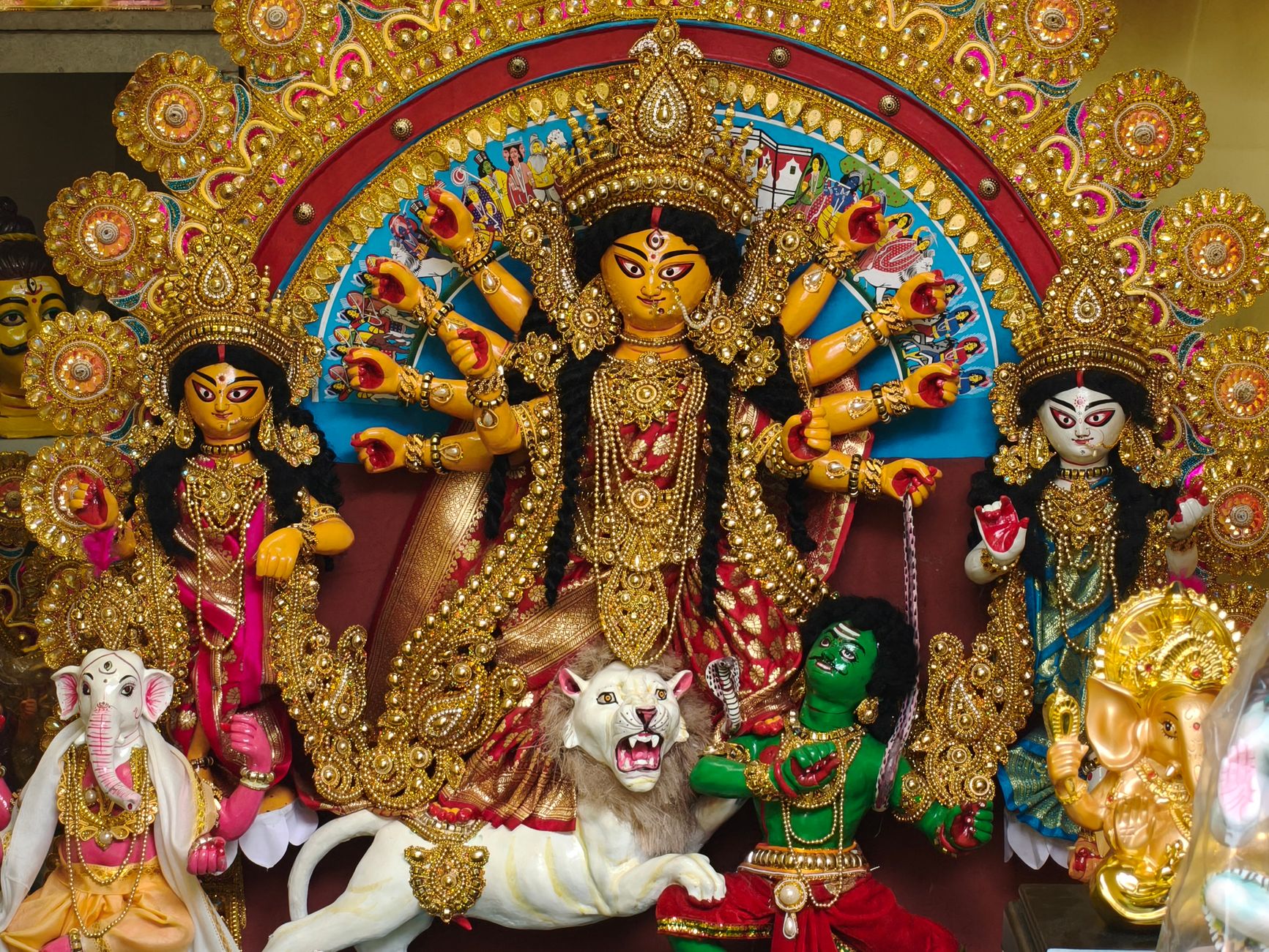
Maha Ashtami 2026 is prompting liquor shop closures across West Bengal. This decision reflects cultural values and traditions during the festival, impacting many establishments.
Understanding Maha Ashtami
Maha Ashtami, one of the most significant days of the Durga Puja festival, holds immense cultural and religious importance, especially in West Bengal. Celebrated in 2026, this day marks the culmination of the festival’s rituals and is dedicated to Goddess Durga’s worship. The day is observed with fervor, as devotees seek blessings for strength and prosperity.
During Maha Ashtami, it is customary for followers to engage in various religious activities, including anjali offerings, special prayers, and cultural performances. The atmosphere is filled with devotion, and the rituals intensify as the day progresses, leading to the immersion of the idol on the final day of the festival.
In light of the festivities, the West Bengal government has announced a temporary closure of liquor shops and bars during Maha Ashtami 2026. This decision aims to uphold the sanctity of the day and promote a family-friendly environment for those participating in the celebrations. The closure is intended to encourage people to focus on the spiritual aspects of the festival rather than distractions associated with consumption.
The liquor ban is a reflection of the state’s commitment to preserving cultural values and ensuring that the essence of Maha Ashtami remains intact for all devotees.
Cultural Impact of Liquor Shop Closures
The cultural significance of Maha Ashtami 2026 extends beyond religious observance, as the closure of liquor shops during this period reflects deep-rooted traditions and values in West Bengal. This annual practice aims to honor the goddess Durga, promoting a spirit of reverence and devotion among the devotees.
By shutting down liquor establishments, the state reinforces the importance of maintaining a sacred atmosphere during the festivities. The decision resonates with many locals who believe that abstaining from alcohol during Maha Ashtami fosters a sense of unity and spiritual purity. This cultural practice aligns with the broader ethos of the festival, which emphasizes family gatherings, prayer, and reflection.
Furthermore, the closure of liquor shops serves as a reminder of the need to prioritize community and family relationships over indulgence in alcohol. Many families choose this time to come together, participate in rituals, and celebrate their heritage, making the festival a significant communal event.
As the festivities of Maha Ashtami 2026 approach, the closures not only symbolize respect for tradition but also encourage a collective focus on spiritual growth and cultural identity, reinforcing the values that bind the community together.
Reasons Behind the Decision
The decision to close liquor shops across West Bengal during Maha Ashtami 2026 is rooted in a combination of cultural, religious, and social considerations. This day, significant within the Durga Puja festivities, is observed with deep reverence, prompting authorities to ensure that the sanctity of the occasion is upheld.
Key reasons for the closures include:
- Religious Sentiment: Maha Ashtami is a day when devotees engage in prayer and rituals, and the consumption of alcohol is viewed as disrespectful to the occasion.
- Public Order: The state government aims to maintain peace and order during the festivities, reducing the chances of disturbances that can arise from alcohol consumption.
- Cultural Preservation: By closing liquor shops, authorities are promoting a sense of community and respect for local traditions that emphasize modesty and devotion.
- Social Responsibility: The closures reflect a commitment to public health and safety, ensuring that citizens can celebrate in a safe and respectful environment.
Such measures, while sometimes controversial, are embraced by many as a necessary step to honor the significance of Maha Ashtami and its cultural heritage.
Public Reactions to the Closures
The decision to close liquor shops during Maha Ashtami 2026 has sparked a range of public reactions across West Bengal. Many residents have expressed their support for the initiative, viewing it as a necessary step to honor the sanctity of the festival. A local resident stated, “Maha Ashtami is a time for family and devotion. Keeping liquor shops closed allows us to focus on the spiritual aspects of the celebration.”
On the other hand, some individuals have voiced their concerns regarding the economic impact of these closures. Bar owners and employees fear a substantial loss of income during a period that usually sees high sales. One bar owner commented, “We understand the cultural significance, but this decision affects our livelihood. We hope the government can find a balance between tradition and economic stability.”
Social media has also been abuzz with discussions, with many users sharing mixed opinions. Some have launched campaigns to support the closures, highlighting the importance of respecting local traditions, while others argue for the need to allow responsible drinking even during significant festivals. As the date approaches, the debate around Maha Ashtami 2026 closures continues to evolve.
Historical Context of Maha Ashtami
Maha Ashtami is a significant day in the festival of Durga Puja, celebrated with great fervor across West Bengal. This day, falling on the eighth day of the Navratri festival, honors the goddess Durga as she battles the buffalo demon Mahishasura. In 2026, the observance of Maha Ashtami will see a unique approach in the state, particularly with the closure of liquor shops and bars, reflecting the cultural and religious sentiments surrounding the festival.
Historically, Maha Ashtami has been a time for spiritual reflection and community gatherings. The rituals performed during this festival emphasize devotion, purity, and respect for the divine feminine. In light of this, the decision to close liquor establishments serves to reinforce the sanctity of this auspicious occasion.
As communities come together to celebrate, many believe that limiting alcohol sales will promote a more respectful atmosphere during the festivities. This aligns with the traditional values celebrated on Maha Ashtami, where the focus is on family, devotion, and community spirit. The closures thus represent a collective effort to honor the goddess Durga and foster an environment conducive to worship and celebration.
Maha Ashtami 2026 is a time for reflection and reverence, making the closure of liquor shops a fitting tribute to the festivities. Many believe that the observance of Maha Ashtami 2026 promotes a more spiritual atmosphere in communities across the region.
Photo by Trishik Bose on Pexels