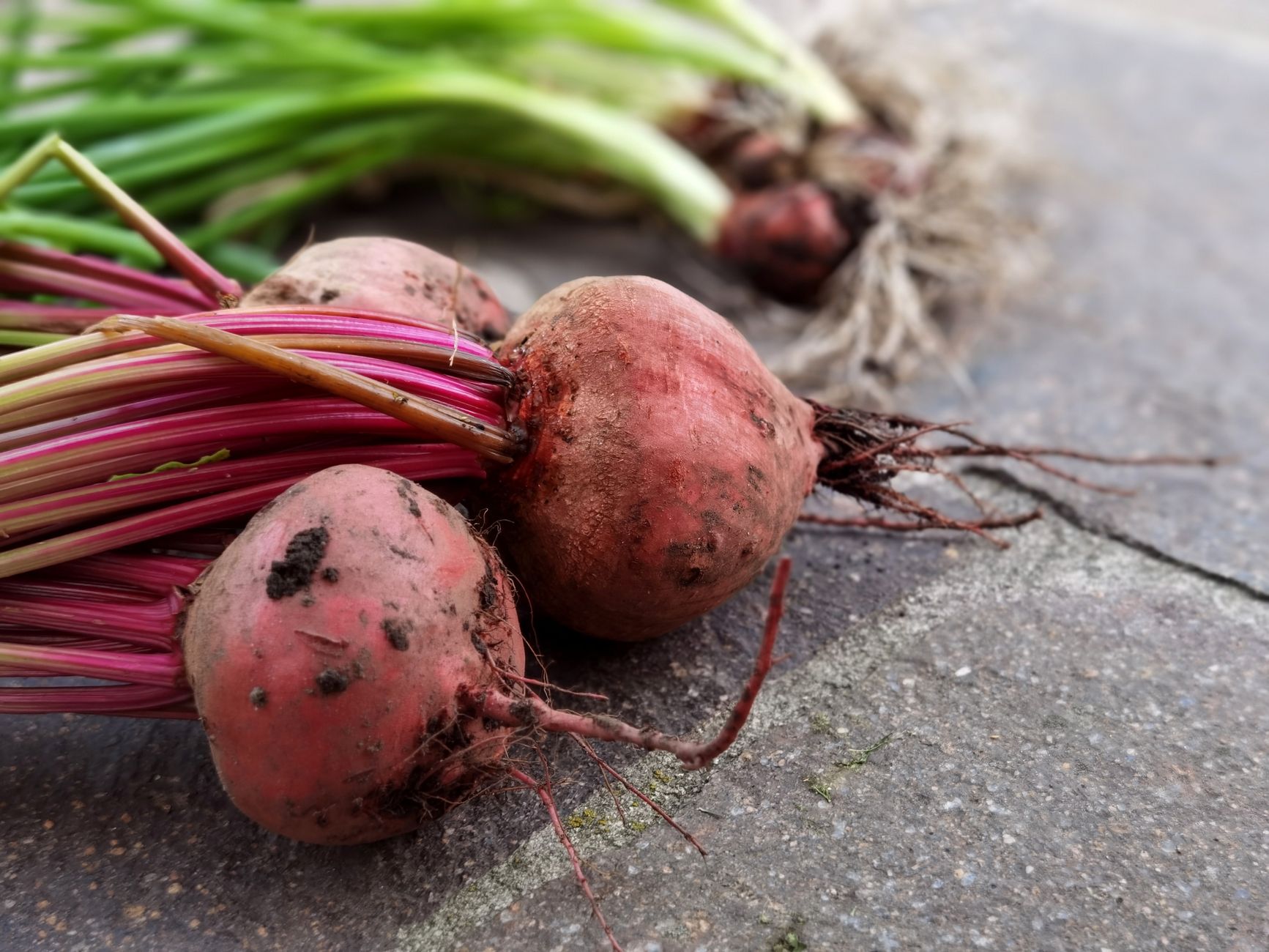
beet pigment adaptation has been linked to plants’ ability to thrive in harsh environments. This discovery sheds light on how certain pigments contribute to survival strategies in challenging conditions.
What is Beet Pigment Adaptation?
Beet pigment adaptation refers to the ability of beet plants to modify their pigment production in response to environmental stressors. This phenomenon has garnered attention due to its implications for plant survival and resilience in harsh environments. The primary pigment involved in this adaptation is betalain, which gives beets their vibrant red and yellow colors.
Researchers have discovered that under extreme conditions, such as high salinity, drought, or intense sunlight, beet plants increase their production of these pigments. This adaptation serves multiple purposes:
- Protection from UV radiation: Betalains can absorb harmful rays, shielding the plant’s tissues.
- Antioxidant properties: These pigments help combat oxidative stress, which can be exacerbated by environmental challenges.
- Attracting pollinators: The bright colors can attract beneficial insects, aiding in reproduction.
Understanding beet pigment adaptation not only sheds light on the resilience of these plants but also offers insights into potential agricultural advancements in cultivating crops that can withstand climate change and other environmental pressures.
How Do Plants Adapt to Harsh Environments?
Plants have evolved a variety of strategies to thrive in harsh environments, showcasing their remarkable adaptability. One such strategy involves the production of pigments, which play a crucial role in their survival. Among these, beet pigment adaptation has garnered significant attention for its unique properties.
These adaptations can be categorized into several key mechanisms:
- Protective Pigmentation: Many plants synthesize pigments to protect themselves from extreme UV radiation and oxidative stress. Such pigments can absorb harmful rays and reduce cellular damage.
- Water Conservation: In arid regions, some plants develop thicker cuticles and deeper root systems, while pigments help to minimize water loss through transpiration.
- Temperature Regulation: Certain pigments can reflect excess sunlight, helping to maintain optimal temperatures within plant tissues, which is vital for photosynthesis.
- Stress Response: When faced with environmental stressors, plants may increase pigment production as a defense mechanism, enhancing their ability to cope with challenging conditions.
Through these adaptations, plants like beets demonstrate how pigments are not merely for aesthetics but are essential for survival in demanding climates.
The Role of Pigments in Plant Survival
The survival of plants in challenging environments is significantly influenced by the presence of pigments. These natural compounds play a crucial role in various physiological processes, enabling plants to adapt effectively. One notable example is the beet pigment adaptation, which allows beetroot plants to thrive in conditions that would otherwise be detrimental.
Pigments serve multiple functions, including:
- Photosynthesis: They capture light energy, essential for converting sunlight into chemical energy.
- Protection: Certain pigments provide a shield against harmful UV rays and oxidative stress, thereby safeguarding plant tissues.
- Attraction: Brightly colored pigments can attract pollinators and seed dispersers, which are vital for reproduction and species propagation.
In addition to these roles, the adaptation of pigments in plants like beets showcases their ability to modify pigment production in response to environmental stressors. This adaptation enables them to maintain metabolic functions and optimize growth despite adverse conditions. Thus, understanding beet pigment adaptation can offer insights into how other plants might similarly adjust to survive in their habitats.
Recent Discoveries in Plant Biology
Recent research has unveiled fascinating insights into the role of beet pigment adaptation in plant biology. Scientists have discovered that specific pigments, known as betalains, play a crucial role in helping plants survive in extreme conditions. These pigments not only provide the vibrant color associated with beets but also serve essential functions in stress response.
Studies have shown that betalains can protect plants from harmful UV radiation and oxidative stress, which are common challenges in harsh environments. This protective mechanism allows plants to thrive where other organisms may struggle, demonstrating the significance of beet pigment adaptation in ecological resilience.
In addition to their protective properties, betalains are also believed to enhance nutrient uptake and improve overall plant health. Researchers have identified several ways in which these pigments facilitate the survival of plants, including:
- Strengthening cell walls to resist damage
- Improving water retention during drought conditions
- Acting as antioxidants to combat cellular damage
As we delve deeper into plant biology, the implications of beet pigment adaptation continue to unfold, shedding light on how plants can endure and flourish despite environmental challenges.
Implications for Agriculture and Ecosystems
The recent findings on beet pigment adaptation have significant implications for agriculture and ecosystems. As climate change continues to affect weather patterns, understanding how plants like beets adapt to harsh environments can inform farming practices and crop selection.
Farmers may consider cultivating beet varieties that exhibit these adaptive traits, potentially leading to increased yields in arid or nutrient-poor soils. The resilience demonstrated by these plants could enhance food security in regions facing extreme weather conditions.
Moreover, the ecological benefits of beet pigment adaptation extend beyond agriculture. Enhancing the resilience of crops can contribute to maintaining biodiversity, as more robust plants can support various insects and wildlife. This interconnectedness is vital for ecosystem stability.
Additionally, researchers are exploring the genetic and biochemical pathways associated with beet pigment adaptation. By understanding these mechanisms, scientists can develop strategies to engineer or select for traits that promote survival across a range of species, potentially leading to a new era of sustainable agriculture.
Ultimately, the lessons learned from beet adaptations may pave the way for innovative practices that align agricultural productivity with environmental stewardship.
Understanding Environmental Stress in Plants
Plants face a myriad of environmental stresses, including extreme temperatures, drought, and nutrient deficiency. Understanding these challenges is crucial for comprehending how beet pigment adaptation aids in survival. Stress can trigger a range of physiological responses that allow plants to cope with adverse conditions.
When subjected to stress, plants may exhibit the following adaptations:
- Activation of Protective Mechanisms: Many plants increase the production of pigments, such as anthocyanins found in beets, which can protect against UV radiation and oxidative damage.
- Altered Growth Patterns: Some species may adjust their growth to conserve resources, such as reducing leaf size or altering root depth.
- Enhanced Water Retention: Many plants develop thicker leaves or waxy coatings to minimize water loss, especially in arid environments.
In the case of beet pigment adaptation, these pigments not only enhance survival but also contribute to the plant’s ability to thrive in harsh environments. This remarkable capacity highlights the intricate relationship between environmental stress and the evolutionary strategies employed by plants.
Future Research Directions
As researchers delve deeper into the mechanisms of beet pigment adaptation, future investigations are crucial for understanding its broader implications. The following areas present exciting opportunities for further study:
- Genetic Pathways: Identifying the specific genes involved in beet pigment production could reveal how these traits are inherited and expressed in various environmental conditions.
- Cross-Species Comparisons: Studying other plants that exhibit similar pigment adaptations may provide insights into evolutionary strategies for survival in harsh climates.
- Environmental Stress Factors: Focusing on different types of environmental stressors—such as drought, salinity, and extreme temperatures—can enhance our understanding of how beet pigments help mitigate these effects.
- Agricultural Applications: Investigating how these pigments can be harnessed in crop production may lead to the development of more resilient agricultural practices, ultimately improving food security.
- Climate Change Impacts: Analyzing the role of beet pigments in adapting to climate change will be essential for predicting how various plant species respond to rapidly shifting environmental conditions.
These research directions promise to deepen our understanding of plant resilience and its significance in our changing world.
Conclusion: The Importance of Beet Pigment Adaptation
In summary, beet pigment adaptation plays a crucial role in the survival of plants in challenging environments. The ability of plants to produce specific pigments, such as betalains found in beets, has been shown to enhance their resilience against various stresses, including extreme temperatures and drought conditions.
This adaptation not only highlights the remarkable flexibility of plant life but also underscores the importance of pigments in their overall survival strategy. As researchers continue to delve into the mechanisms behind these adaptations, several key points emerge:
- Enhanced Resilience: Pigments like betalains help protect plants from oxidative stress.
- Environmental Indicators: The presence of certain pigments can serve as indicators of environmental health.
- Agricultural Benefits: Understanding these adaptations can lead to improved crop resilience and productivity.
- Future Research: Ongoing studies may uncover further applications for these adaptations in biotechnology and conservation.
Ultimately, the exploration of beet pigment adaptation not only enriches our understanding of plant biology but also opens new avenues for sustainable agricultural practices and ecosystem management.
Photo by Vero Lova on Pexels