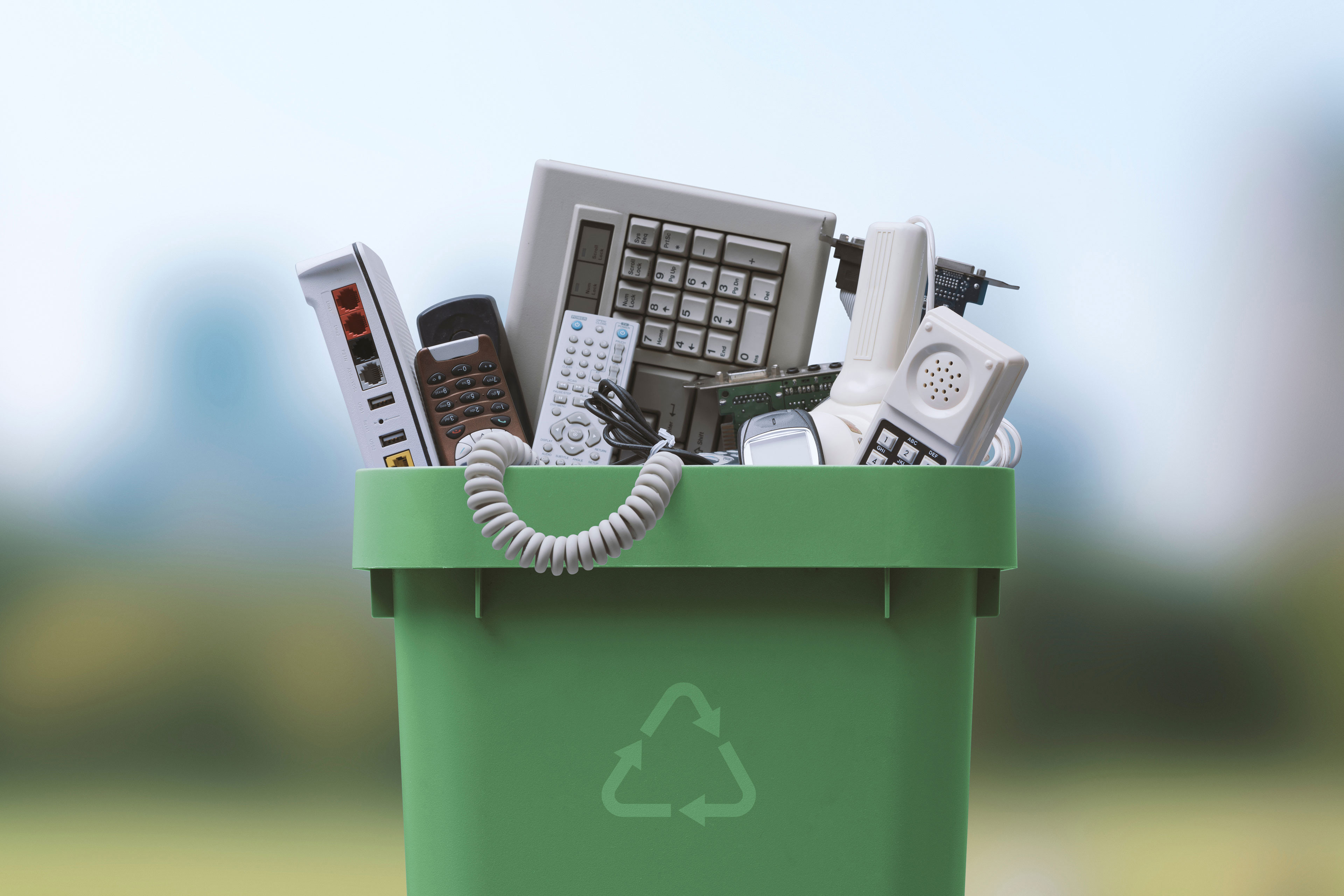
E waste disposal in Singapore represents one of the most significant environmental challenges facing the city-state, yet few residents understand the crisis unfolding behind the island’s technological facade. Singapore produces approximately 60,000 tonnes of electronic waste annually, equivalent to 73 mobile phones per resident. Despite this staggering production rate, barely 6% receives proper recycling treatment, leaving the vast majority to languish in landfills.
The Hidden Crisis in Our Devices
What makes electronic waste particularly insidious is its deceptive nature. That obsolete smartphone contains toxic materials including lead, mercury, cadmium, and brominated flame retardants. When these devices decompose in landfills, substances seep into groundwater and soil, creating contamination lasting decades.
These same devices harbour valuable resources including gold, silver, platinum, and rare earth elements. Multiply this across Singapore’s annual electronic waste generation, and the economic value of discarded materials reaches millions of dollars.
The global context makes Singapore’s challenge even more urgent. Worldwide electronic waste generation approaches 50 million metric tonnes annually, with projections suggesting this figure could reach 120 million tonnes by 2050. As one of the world’s most technologically advanced societies, Singapore bears particular responsibility for demonstrating sustainable solutions.
Government Intervention Through Legislative Innovation
Recognising the severity of the crisis, Singapore’s authorities implemented the Resource Sustainability Act in 2019, fundamentally reshaping how the nation approaches electronic waste management. This legislation introduces Extended Producer Responsibility principles, shifting disposal costs from taxpayers to manufacturers and importers.
The Act establishes clear obligations for industry stakeholders:
- Producers must provide free collection services for their end-of-life products
- Retailers offering regulated electronics must accept old devices when customers purchase replacements
- Collection infrastructure must meet accessibility standards across the island
- Proper recycling and treatment facilities must handle all collected materials
- Regular reporting ensures compliance and tracks progress toward national targets
This regulatory framework covers major electronic categories including household appliances, information technology equipment, and personal mobility devices. The comprehensive scope ensures most consumer electronics receive proper end-of-life management.
Navigating Singapore’s Collection Infrastructure
The practical reality of e waste disposal in Singapore has improved dramatically through systematic infrastructure development. Today, residents can access over 600 specialised collection points distributed across the island, from neighbourhood shopping centres to community facilities.
Collection methods vary depending on device type and size:
Compact electronics
Dedicated bins accept smartphones, tablets, cameras, and small appliances that fit through standardised openings
Computing equipment
Specialised collection ensures secure data destruction alongside material recovery for laptops, desktop computers, and peripherals
Large appliances
Scheduled collection events coordinate with residential estates to gather refrigerators, washing machines, and air conditioning units
Batteries and lighting
Separate collection streams handle these items requiring specialised treatment processes
The Data Security Imperative
Modern electronic devices store unprecedented amounts of personal information, making secure disposal crucial for privacy protection. Professional recycling facilities employ certified data destruction methods, but individuals should take preliminary precautions before relinquishing their devices.
Essential security steps include:
- Complete factory resets removing all personal accounts and information
- Physical destruction of storage devices containing sensitive business or personal data
- Removal of memory cards, subscriber identity modules, and external storage devices
- Verification that cloud storage accounts no longer sync with disposed devices
- Documentation of serial numbers for insurance and warranty purposes
Economic Transformation Through Circular Principles
Singapore’s approach to e waste disposal in Singapore reflects economic transformation toward circular economy principles. Rather than linear take, make, and dispose models, circular approaches emphasise reuse, refurbishment, and recycling to maximise resource efficiency.
This delivers measurable economic benefits. Material recovery reduces Singapore’s dependence on imported raw materials whilst creating local employment. The environmental benefits extend beyond resource conservation, preventing toxic materials from contaminating Singapore’s limited land and water resources.
Community Action and Individual Responsibility
Effective electronic waste management requires coordinated action across all levels of society. Government regulation and infrastructure provide the foundation, but individual choices determine ultimate success rates.
Residents can contribute through conscious consumption decisions:
- Selecting durable, repairable devices over disposable alternatives
- Utilising manufacturer take-back programmes when available
- Supporting local repair services to extend device lifespans
- Properly sorting electronic waste according to collection guidelines
- Educating family and colleagues about disposal options and environmental impact
Future Challenges and Opportunities
Singapore’s electronic waste challenge will intensify as technology adoption accelerates. Emerging technologies including electric vehicles, smart home systems, and Internet of Things devices will create new waste streams requiring adaptive management approaches.
However, technological advancement creates opportunities. Improved recycling technologies can extract greater value from electronic waste whilst reducing processing costs. International cooperation offers additional pathways, with Singapore’s expertise positioning the nation to lead regional initiatives.
Building Singapore’s Sustainable Technology Future
The challenge of electronic waste disposal reflects broader questions about humanity’s relationship with technology and consumption. Singapore’s comprehensive response demonstrates how small nations can lead global efforts toward sustainability through innovative policy, strategic infrastructure investment, and community engagement.
Success requires sustained commitment from government, industry, and individuals working toward shared environmental goals. Every electronic device properly disposed of contributes to Singapore’s vision of becoming a model sustainable city-state for the 21st century.
As Singapore continues refining its approach to electronic waste management, the lessons learned will influence policy development across Southeast Asia and beyond. The ultimate measure of success lies not merely in tonnes recycled, but in fundamental shifts toward responsible consumption and e waste disposal in Singapore.