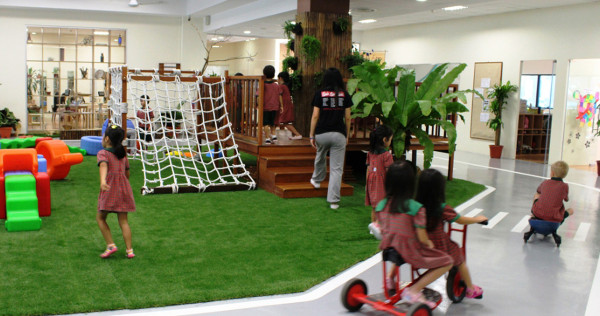
In today’s fast-paced world, where both parents often work and academic pressures continue to increase, after-school programs have emerged as essential components of a child’s development.
These after school programmes provide a structured and nurturing environment that goes beyond the classroom, offering a plethora of benefits that contribute significantly to a child’s holistic growth.
From academic support to social interaction, creativity, physical activity, and much more, after-school programs play a pivotal role in shaping well-rounded individuals.
This article delves into the various aspects that make after-school programs vital to a child’s development, emphasizing the long-lasting positive impact they can have.
- Academic Support and Enrichment
After-school programs offer a unique opportunity for students to receive additional academic support outside of regular school hours.
These programs often provide homework help, tutoring, and access to educational resources that can reinforce classroom learning.
When students have a chance to review and practice their lessons in a supportive environment, they are more likely to grasp complex concepts and achieve better academic outcomes.
Furthermore, enrichment activities, such as science experiments, art projects, and educational games, can ignite a child’s passion for learning, fostering a lifelong love for education.
- Skill Development
After-school programs provide a platform for children to explore a wide range of skills and interests that may not be covered in the standard curriculum.
Whether it’s coding, music, dance, sports, drama, gardening, or even culinary arts, these programs expose children to various activities that help them discover their talents and passions.
Engaging in diverse activities contributes to the development of critical life skills such as time management, teamwork, communication, and problem-solving.
As children experiment with different activities, they gain a sense of self-awareness and develop the confidence to pursue their interests.
- Social Interaction and Communication
Interacting with peers outside the classroom is crucial for a child’s social development. After school learning provides a safe and supervised environment where children can form friendships, practice communication skills, and learn to collaborate effectively.
These interactions foster empathy, tolerance, and an understanding of different perspectives, which are essential traits for success in todays interconnected world.
Building positive social relationships at an early age sets the foundation for healthy interpersonal skills in adulthood.
- Character Building and Values
Many after-school programs incorporate character-building activities and values education into their curriculum.
Through discussions, workshops, and community service projects, children learn about empathy, integrity, responsibility, and respect for others.
After school education help shape a child’s moral compass and instill a sense of civic duty, preparing them to become responsible and compassionate members of society.
The emphasis on character development in after-school programs contributes to the overall well-roundedness of a child’s personality.
- Physical Activity and Health
With the rise of sedentary lifestyles and screen time, after-school programs play a crucial role in promoting physical activity among children.
Programs that offer sports, dance, yoga, or other forms of exercise not only contribute to physical health but also teach children the importance of an active lifestyle.
Regular physical activity has been linked to improved concentration, better academic performance, and reduced stress levels. Thus, after school programme curriculum contribute significantly to the overall well-being of children.
- Safe and Structured Environment
After-school programs provide a structured and supervised environment that ensures children’s safety while parents are still at work. This safe space prevents children from being unsupervised or engaging in risky behaviors during the after-school hours. Knowing that their children are in capable hands allows parents to focus on their work without worrying about their child’s well-being. This sense of security also extends to the broader community, as children engaged in after-school programs are less likely to be involved in negative activities.
- Cultural Enrichment and Diversity
After-school programs often celebrate cultural diversity by exposing children to various traditions, languages, and customs. This exposure fosters an appreciation for different cultures and helps children develop a global perspective.
Cultural enrichment enhances a child’s ability to communicate and collaborate with people from diverse backgrounds, which is a valuable skill in our increasingly multicultural society. It also contributes to a sense of inclusivity and tolerance among young minds.
- Parental Involvement and Engagement
Many after-school programs encourage parental involvement, creating a bridge between parents, teachers, and children.
Regular communication between program organizers and parents ensures that parents are aware of their child’s progress, achievements, and areas for improvement. This partnership enhances a child’s support network and creates a seamless transition between school and home.
Parental engagement also fosters a deeper understanding of a child’s strengths and challenges, allowing parents to provide more targeted support.
- Creativity and Self-Expression
After-school programs often offer opportunities for children to engage in creative endeavors such as art, music, drama, and writing.
These activities allow children to express themselves in ways that may not be possible within the confines of the traditional classroom.
Nurturing creativity fosters innovation and encourages children to think outside the box, developing essential skills that are valuable in various aspects of life.
- Time Management and Responsibility
Participating in after-school programs teaches children the importance of time management and responsibility.
Balancing school, extracurricular activities, and personal time requires effective time management skills, which are vital for success in adulthood.
Through setting schedules, meeting deadlines, and prioritizing tasks, children develop a strong sense of responsibility and accountability.
Conclusion
In a world where children are faced with various challenges and opportunities, after-school programs have become more than just a convenient option for working parents.
They play a vital role in a child’s holistic development by offering academic support, skill-building opportunities, social interactions, character development, physical activity, cultural enrichment, creativity, and a safe environment.
The benefits of after-school programs extend far beyond their immediate impact, shaping children into well-rounded individuals who are equipped to navigate the complexities of the modern world.
As we continue to recognize the value of these programs, investing in after-school initiatives becomes an investment in the future success and well-being of our children. The multifaceted advantages offered by after school program for kids make them an indispensable component of a child’s journey towards becoming a confident, capable, and compassionate individual.