Most of the time, health providers prefer using conservative treatments to relieve pain. However, when the pain persists, you may want to consider other treatments such as Lumbar Disc Microsurgery. Thanks to the advancements in technology, surgical procedures are minimally invasive today.
Minimally invasive procedures are effective and provide excellent outcomes, including faster recovery. University Pain Medicine Center uses modern techniques to perform spine surgery to eliminate pain and enhance quick recovery. Call the practice today to alleviate chronic pain and consult about minimally invasive spine surgery.
What is minimally invasive spinal surgery?
It is a surgical procedure where your provider uses tiny incisions to carry out the procedure instead of large and open incisions.
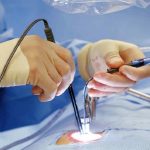
The University Pain Medicine Center team conducts minimally invasive spine surgery using state-of-the-art techniques. In this case, they place the surgical instruments in slender tubes to fit in the small cuttings.
An endoscope is among the instruments used; it has a camera and lighting to transmit enhanced pictures to the monitor. Ideally, your provider uses the monitor to guide the surgical instruments from the outside.
What spine procedures do health providers conduct with minimally invasive surgery?
University Pain Medicine Center specialists use minimally invasive techniques to perform the following procedures:
· Artificial disc replacement
· Radiofrequency neurotomy
· Cervical discectomy and microdiscectomy
· Spinal fusion surgery
· Kyphoplasty
· Lumbar discectomy and microdiscectomy
· Surgical implantation of spinal cord stimulators
· Foraminotomy
· Percutaneous laser discectomy
· Surgical implantation of intrathecal pumps
· Vertiflex Superion Indirect Decompression System
The above procedures are treatments for back and neck health disorders, such as:
· Herniated disc
· Kyphosis
· Compressed spinal nerves
· Failed back surgery
· Degenerative disc disease
The minimally invasive procedures help repair the vertebrae providing pain relief.
What does an endoscopic microdiscectomy (in the lumbar spine) involve?
It is a surgical procedure to treat a herniated disc in the lower back. The minimally invasive procedure involves removing the tissue compressing the spinal nerves.
The procedure happens under anesthesia. Your surgical provider creates a tiny incision in your skin. He pushes a guidewire through the cut to your spine using a fluoroscope. Then he extends the opening to create a working canal where the whole surgery takes place through.
Next, your provider uses a camera and small instruments to form an opening to get to the spinal canal. He eliminates the pinching tissue, creating adequate space for the spinal nerves and releasing the pressure.
After the surgery, your surgeon closes your skin with a bandage. Your provider will monitor you for a limited time. Then sends you home with recovery instructions.
Reasons why you should consider minimally invasive spinal surgery?
Unlike traditional open surgery, your provider only makes small incisions to provide a way for the surgical instruments, causing less tissue and muscle damage. Other reasons why you should consider minimally invasive spine surgery include:
· Minimal scarring
· Less bleeding during surgery
· Faster recovery
· Reduced risk of complications
· Minimized pain after surgery
· Shorter hospital stay
Consult a minimally invasive spine surgeon today
Suppose you have tried all pain management treatments to no avail; it’s time you consider minimally invasive surgery. Contact University Pain Medicine Center today to schedule your consultation.