
When your toenail’s corner or edge curls and grows into the nearby skin, you have an ingrown toenail. Pain, redness, and swelling could result from this. Both men and women suffer from the illness rather frequently. The most probable toe to be impacted is your big toe.
Common reasons for ingrown toenails can be as follows:
- Toenail trauma, like stubbing your toe
- By wearing too tight shoes
- By cutting too short toenails
- By cutting your toenails at a certain angle
Ingrown toenails should be treated as soon as they appear to avoid infection and turn into orange toenail. Mild conditions might only need a little home care. Surgery may be necessary for severe situations.
The following are a few common remedies for your ingrown toenail.
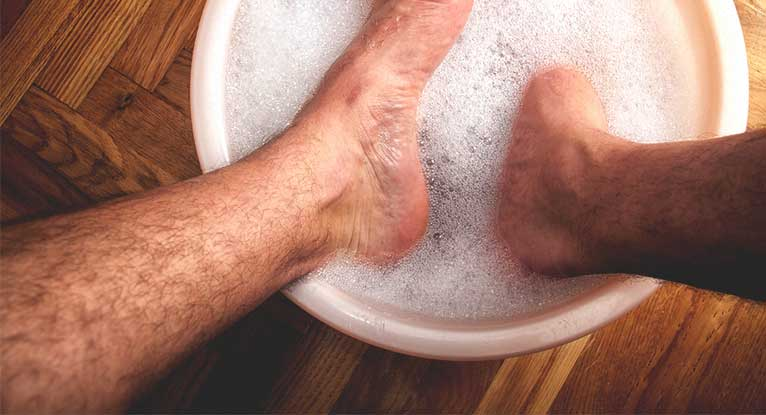
- Soak your foot in warm and soapy water
Reduce swelling and discomfort by giving the affected foot three 20-minute soaks in warm, soapy water each day.
- Soak the affected foot in apple cider vinegar
According to popular belief, apple cider vinegar has antibacterial, anti-inflammatory, and pain-relieving properties. Try this cure and completely dry your foot after soaking.
- Pack the affected area by using dental floss or cotton
To promote healthy nail growth, the Mayo Clinic advises placing tiny pieces of cotton/waxed dental floss beneath the edge of your ingrown toenail.
- Apply antibiotic ointment
Antibiotic cream or ointment purchased over-the-counter can aid in healing and lower the risk of infection. As per the manufacturer’s direction, apply the ointment to the damaged toenail.
- Wear relaxed shoes and socks
Avoid donning too-tight socks and shoes. Wearing properly fitting shoes, socks, and hosiery can help avoid an ingrown toenail.
- Take a certain over-the-counter pain reliever
All over-the-counter painkillers can be taken in accordance with the manufacturer’s or your doctor’s recommendations.
- Use a certain toe protector
For ingrown toenails, a toe protector offers a cushioning barrier. Toe protectors can be purchased as full-toe covers or as rings that may fit around the injured area.
Some toe guard brands include a medicinal gel to assist soften toenails for simple clipping. Follow the treatment instructions until the ingrown toenail has disappeared.
- Use a toe brace
The top of the toe is often where toe braces are attached. They can raise the margins of your nail as it grows and protect your skin from any sharp, ingrown nail.
- See your doctor regarding oral antibiotics
Ingrown toenails that are not infected are not typically treated with oral medications. Visit a doctor, who may recommend oral antibiotics, if you have got an infected nail or a compromised immune system.
- Consider nail removal
Partial or complete nail removal may be required if home cures for an ingrown toenail are unsuccessful. A local anesthetic may be used by a physician to remove it.
The majority of ingrown toenails are not harmful. With the right home care, they should get better in a week or so without inflicting any lasting harm. Under certain serious situations, ingrown toenail laser treatment may be recommended by doctor.