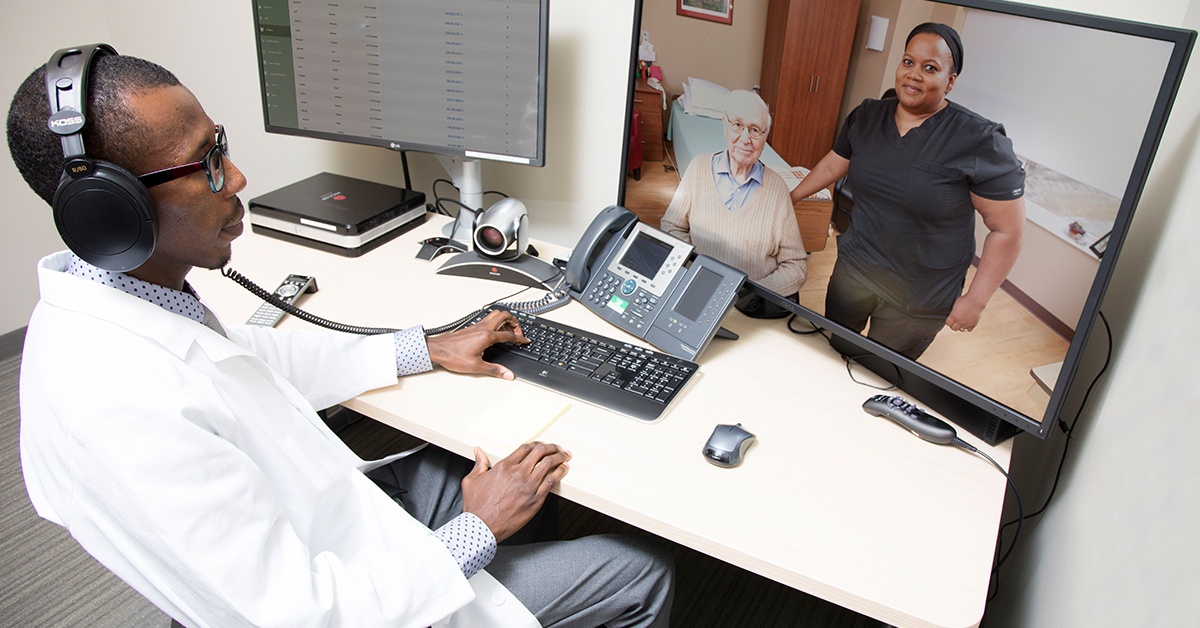
 Telehealth, also known as telemedicine, is using technology to deliver healthcare services remotely. The different types of telemedicine include remote monitoring, live video conferencing, mobile health applications, and online consultations. While telehealth has been in use for decades, the Coronavirus pandemic accelerated its adoption. When many countries were in lockdown, Telehealth offered a safer and more convenient solution to in-person care. However, the advantages of telehealth Avenel go past the pandemic and can transform the healthcare industry. Here are the five major benefits of telehealth you should know.
- Enhanced Accessibility to Healthcare
Telehealth can overcome the hurdles of time and distance, allowing patients in remote or rural regions to access healthcare. This remote healthcare delivery model also reduces wait times for consultations, making it easier for patients to see their specialists and reducing the number of failed appointments.
Moreover, telehealth may remove the need for commuting, which could be a challenge for disabled or elderly patients. By enhancing access to medical care, telehealth may help to reduce health disparities and enhance general health outcomes.
- Improved Efficiency
Telehealth can enhance the efficiency of care delivery by streamlining workflows and reducing administrative tasks. For instance, telehealth may allow specialists to see more patients daily because they do not have to spend time on activities like checking in patients, preparing exam rooms, and obtaining vital signs.
Telehealth also reduces the need for medical paperwork, as patient information, including individual and family health history, can be stored electronically. By enhancing healthcare efficiency, telehealth helps reduce healthcare expenses and enhances patient satisfaction.
- Improved Patient Engagement
Telehealth may enhance patient engagement by allowing patients access to healthcare from the luxury of their own house. Patients might feel more at ease discussing sensitive medical concerns because it improves confidentiality and privacy. Besides, telehealth can motivate patients to adopt a more active role in their health, by offering access to self-monitoring tools, educational material, and individualized treatment plans.
- Better Health Outcomes
Telehealth has been demonstrated to enhance healthcare outcomes for numerous chronic concerns, such as high blood pressure and diabetes. It allows patients to better control their health by offering individualized and timely care.
Telehealth also allows doctors to keep track of patients remotely and intervene early enough if required. With improved health outcomes, patients can lower their healthcare expenses and enjoy improved life quality.
- Convenience and Flexibility
Telehealth provides convenience and flexibility for both patients and specialists. Patients may access care from anywhere, anytime, without having to plan for childcare or a break from school, or request a leave from work.
Besides, doctors can deliver telehealth services from their offices or home, reducing the need for travel and improving life-work balance. By providing enhanced convenience and flexibility, telehealth also enhances access to healthcare and reduces the strain on both doctors and patients.
As telehealth continues evolving and becoming widely adopted, its advantages become more apparent. Telehealth provides numerous advantages for patients, doctors, and the healthcare system in general. It enhances access to healthcare and improves patient engagement and healthcare outcomes. Moreover, this care model improves efficiency and provides better flexibility and convenience, which shows it has the potential to revolutionize the healthcare industry. However, since some patients might still require in-person care, you must consult your doctor about whether telehealth is appropriate for you.