PRP therapy is a procedure that has been around for some time now, but only recently have its benefits been made clear to researchers and doctors alike. It can help with any condition that involves chronic pain, including arthritis, carpal tunnel syndrome, and chronic back pain. PRP therapy is also being looked at as a potential treatment for hair loss. Visiting dependable regenerative medicine specialists needs to be your target as they handle Platelet-rich plasma procedures well.
What is PRP Therapy?
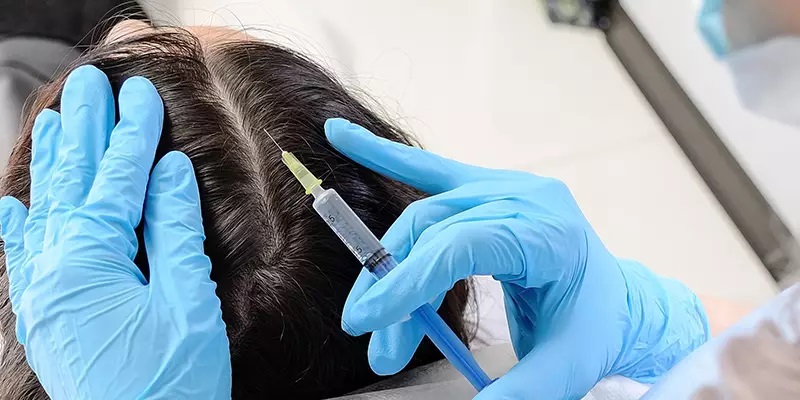
PRP therapy is short for platelet-rich plasma therapy. It is a treatment that uses the patient’s blood to heal chronic pain or hair loss. The blood is drawn and spun in a centrifuge to separate the platelets. They are then injected back into the patient’s body at the pain or hair loss site.
How Does PRP Therapy Work?
PRP Therapy is an injectable treatment that can help with chronic pain issues. By taking the patient’s blood and spinning it in a centrifuge machine to separate the platelets, then injecting these platelets into the site of the patient’s pain, PRP promotes faster healing for patients suffering from problems like arthritis or chronic back pain.
Hair loss often stems from hair follicle damage due to various reasons, be it dryness, diet, over-processing hair when having extensions/hair color done – causing inflammation at the root of your scalp, which affects how healthy your scalp can grow.
Who Can Benefit from PRP Therapy?
People of all ages can benefit from the treatments of PRP therapy. Prevention is the best defense against health issues that affect our bodies, but sometimes they happen. PRP therapy can help heal chronic pain or hair loss. A treatment physician will suggest the best course of action. PRP therapy has many benefits, such as being safe and effective. It also requires a less recovery period.
How to Prepare for PRP Therapy
The patient’s blood is drawn and then spun in a centrifuge to separate the platelets to prepare for PRP therapy. These platelets are then injected back into the patient’s body at the pain or hair loss site. The actual PRP treatment usually takes about twenty minutes. While as a patient, you can return to the daily activities immediately after the treatment, you should take it easy for 24-48 hours after the procedure.
What Happens After the Procedure?
There is no special care that is needed after PRP therapy. Most people report feeling relief from their chronic pain or seeing new hair growth shortly after the treatment.
PRP therapy is a relatively new treatment, so more and more research is being conducted on its potential uses. It has already been shown to help relieve chronic pain and reverse hair loss. As more is learned about PRP therapy, its possible benefits will continue to grow.
If you’re suffering from chronic pain or hair loss, PRP therapy may be the solution for you. This relatively new treatment is gaining popularity as research shows its effectiveness in treating both conditions. It’s a simple procedure that lasts 20 minutes, and no special care is needed after it’s over.