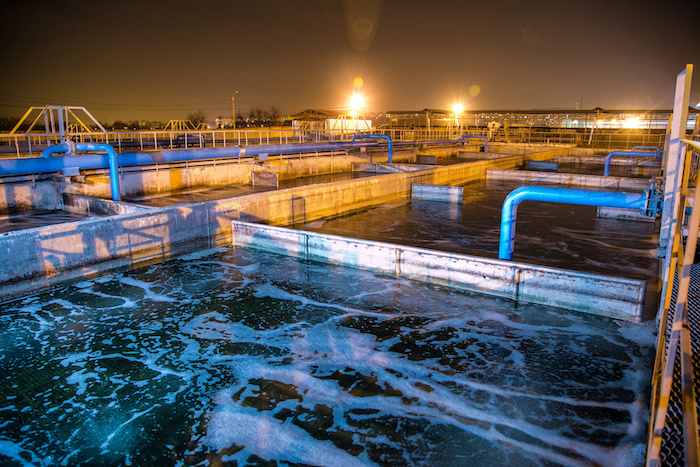
Wastewater treatment is a critical process that helps protect public health and the environment. It involves removing contaminants from used water, making it safe to release back into nature or reuse for various purposes. But why exactly do we treat wastewater? This blog will explore the importance of wastewater treatment, its benefits, and the role of a wastewater management company in ensuring clean and safe water.
The Importance of Wastewater Treatment
Wastewater treatment is essential for several reasons, including protecting human health, preserving the environment, and conserving resources. Here’s a closer look at each of these factors:
Protecting Human Health
Untreated wastewater contains harmful pathogens, chemicals, and pollutants that can pose serious health risks. Exposure to these contaminants can lead to various illnesses, including:
- Waterborne Diseases: Diseases such as cholera, typhoid, and hepatitis can spread through contaminated water.
- Chemical Poisoning: Industrial and agricultural chemicals in wastewater can cause acute and chronic health problems, including skin irritation, respiratory issues, and even cancer.
By treating wastewater, we remove these harmful substances, making the water safe for human use and preventing the spread of diseases.
Preserving the Environment
Wastewater treatment is crucial for maintaining the health of our ecosystems. When untreated wastewater is released into the environment, it can cause significant harm, including:
- Water Pollution: Contaminants in wastewater can pollute rivers, lakes, and oceans, harming aquatic life and disrupting ecosystems.
- Nutrient Overload: Excess nutrients, such as nitrogen and phosphorus, can lead to the growth of harmful algal blooms, which deplete oxygen in the water and kill fish and other marine life.
- Soil Contamination: Wastewater can carry heavy metals and other pollutants that contaminate the soil, affecting plant growth and agricultural productivity.
Effective wastewater management helps protect these natural resources, ensuring that they remain healthy and sustainable for future generations.
Conserving Resources
Treating wastewater allows us to reuse and recycle water, conserving valuable resources. As freshwater supplies become increasingly scarce, the ability to reclaim and reuse water is more important than ever. Treated wastewater can be used for various purposes, including:
- Irrigation: Treated wastewater is often used to irrigate crops, parks, and golf courses, reducing the demand for freshwater.
- Industrial Processes: Many industries use treated wastewater for cooling, processing, and other purposes, conserving freshwater resources.
- Potable Water: Advanced treatment processes can produce high-quality water that is safe for drinking, helping to alleviate water shortages in some areas.
Benefits of Wastewater Treatment
The benefits of wastewater treatment extend beyond health and environmental protection. Here are some additional advantages:
Economic Benefits
Investing in wastewater treatment infrastructure can create jobs and stimulate economic growth. A well-functioning wastewater management company provides numerous employment opportunities, from construction and maintenance to engineering and management. Moreover, clean water is essential for various industries, including tourism, agriculture, and manufacturing, supporting economic development.
Regulatory Compliance
Governments around the world have established regulations and standards for wastewater treatment to protect public health and the environment. Compliance with these regulations is essential to avoid legal penalties and ensure the sustainable management of water resources. Wastewater management companies play a vital role in helping businesses and municipalities meet these requirements.
Community Well-Being
Access to clean water is a fundamental human right. Effective wastewater treatment contributes to the overall well-being of communities by ensuring safe and reliable water supplies. It also supports recreational activities, such as swimming and fishing, by maintaining clean and healthy water bodies.
The Role of Wastewater Management Companies
A wastewater management company is essential in implementing and maintaining effective wastewater treatment processes. These companies provide a range of services, including:
Treatment Plant Operation and Maintenance
Wastewater management companies operate and maintain treatment plants, ensuring that they function efficiently and effectively. Regular maintenance and monitoring are crucial to prevent breakdowns and ensure compliance with regulatory standards.
Advanced Treatment Solutions
These companies often offer advanced treatment solutions to address specific challenges, such as removing heavy metals, pharmaceuticals, and other emerging contaminants. They also invest in research and development to improve treatment technologies and processes continually.
Consulting and Compliance Support
Wastewater management companies provide consulting services to help businesses and municipalities develop and implement effective wastewater treatment plans. They also offer support in navigating regulatory requirements and achieving compliance with local, state, and federal standards.
Conclusion
Wastewater treatment is essential for protecting human health, preserving the environment, and conserving valuable resources. A wastewater management company plays a crucial role in ensuring that wastewater is treated effectively, providing clean and safe water for various uses. By investing in wastewater treatment infrastructure and supporting innovative solutions, we can safeguard our water resources for future generations and promote the well-being of our communities.