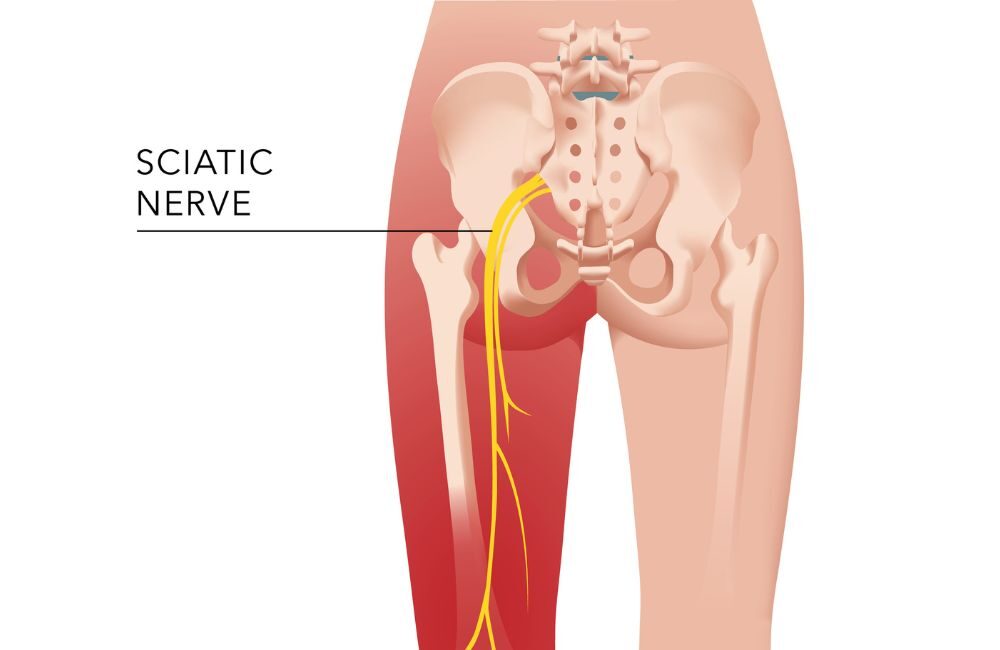
 Back pain could be tricky to figure out. After all, the spine and body, in general, are complex structures, and several factors could result in discomfort and pain. Sciatic symptoms could result from injury, spinal disc problems, or nerve issues. These symptoms might vary based on the root cause of your sciatica issue. Nonetheless, your acupuncturist can help you determine where your Shrewsbury sciatica pain originates and recommend the best measures to enjoy lasting relief. Meanwhile, here are some of the common warning signs of sciatica to watch out for.
- Lower Back Pain
Lower back pain is the most common sign of sciatica. The sciatic nerve starts in the lower back, which explains why discomfort first happens in this region. An inflammation spot of tissue, bone or disc herniation causes nerve pinching. This lower back pain could be sharp, dull, aching, or stabbing, and might intensify once you move.
- Hip Pain
Another common symptom of sciatica is hip discomfort. Unfortunately, not all hip discomfort results from sciatica. Individuals might ensure hip discomfort for days before ascertaining if sciatica is the cause. The sciatica discomfort could impact any areas between the legs and lower back, including the hips.
- A Burning Sensation
All nerves in your body are accountable for relaying all sorts of information. Besides signaling that you are in discomfort, these nerves send the brain crucial messages, such as what touches your skin, how heavy the item you carry, how quickly your legs move, and other similar information.
The sciatic nerve helps you determine why your legs suffer different sensations. The burning feeling develops once the transmission of signals becomes interrupted, which is like when one suffers from an allergy.
- Discomfort In The Buttocks
As highlighted above, the sciatic nerve plays a crucial role in relaying signals to your brain about what is happening within your legs. Signals that leave or enter either the legs or the brain travel via the sciatic nerve. You can experience pain anywhere along the sciatic nerve, which includes the buttocks. Discomfort in the buttocks renders some movements difficult, like standing, squatting, and sitting.
- Tingling
Do you wake up in the middle of the night feeling severe numbness in the leg or arm? If so, sciatica could be behind it. Tingling happens once there is a deprivation of blood circulation in the nerves. Some people also define this discomfort as a ‘pins and needles’ sensation, and the spot could be numb, tingly, or immovable.
- Shooting Pain
Sciatica patients might experience shooting pain whenever they sit or stand. This shooting pain results from a sudden shit in movement or position that causes nerve pinching.
- Numbness
Numbness often accompanies tingling. Upon touching the numb area, you might experience a somewhat buzzing sensation or not feel anything at all. Numbness typically stems from the blockage of information reaching the brain because of a pinched nerve.
Numerous factors could cause sciatic nerve pain, so it is not easy to pinpoint one single reason. Anything that places pressure on your sciatic nerve, including disc herniation, spinal stenosis, bone spurs, and more, can lead to discomfort. Luckily, numerous mild instances of sciatica generally respond well to over-the-counter pain medications and hot and cold therapy. However, if your back pain becomes chronic or worsens, it is advisable to visit a specialist to diagnose the problem. Talk to your doctor about your unique concerns to determine the most appropriate care plan.